

كيفية استخدام التقويم الاقتصادي: سير العمل الأسبوعي لمتداولي دول مجلس التعاون الخليجي (2026)
جدول المحتويات
1. ما الذي يعرضه التقويم الاقتصادي فعلياً
2. الأحداث الستة التي يجب على كل متداول في الخليج معرفتها — بتوقيت دول الخليج
3. كيفية قراءة مستويات التأثير والفجوة بين التوقعات والنتائج الفعلية
4. سير العمل الأسبوعي: كيف يخطط متداولو الخليج من الأحد إلى الجمعة
5. ميزة التوقيت الزمني لدول مجلس التعاون الخليجي
6. ما الذي يفعله المتداولون المحترفون في الخليج بشكل مختلف عند استخدام التقويم
7. الأسئلة الشائعة
8. الخلاصة
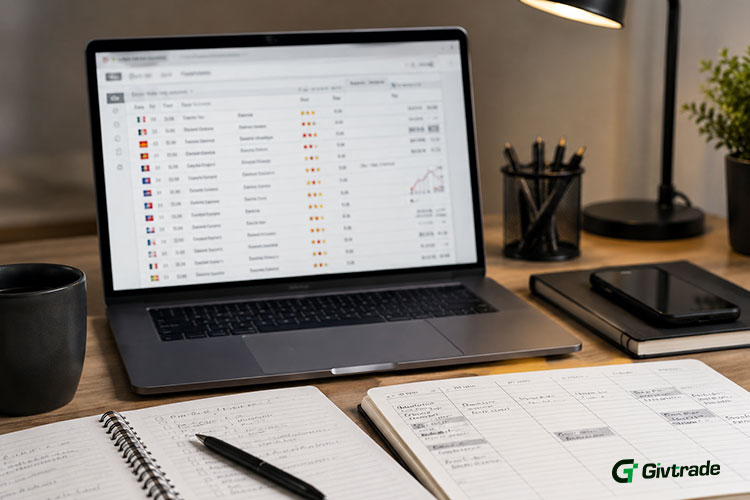
التقويم الاقتصادي هو جدول زمني لإصدارات البيانات وقرارات البنوك المركزية المعروفة مسبقاً بقدرتها على تحريك الأسواق المالية. بالنسبة للمتداولين في الإمارات والسعودية والكويت وقطر والبحرين وعُمان، يُعد هذا التقويم أهم أداة تخطيط لأي جلسة تداول، لأن الأحداث الأكثر تأثيراً في الأسواق عالمياً (مثل قرارات الفيدرالي، تقرير الوظائف، مؤشر أسعار المستهلكين، مخزونات النفط، ومؤشرات مديري المشتريات) تصدر جميعها خلال ساعات المساء بتوقيت الخليج، مما يعني أن المتداولين في المنطقة يكونون في كامل يقظتهم ونشاطهم عند حدوث أكبر تقلبات مجدولة خلال الشهر. يشترك المتداولون الناجحون في دول الخليج الذين يتجنبون دائماً الوقوع في فخ المفاجآت الناتجة عن البيانات الاقتصادية في عادة واحدة: فهم يتحققون من التقويم الاقتصادي قبل فتح أي مركز مالي، في كل جلسة، دون استثناء.
ما الذي يعرضه التقويم الاقتصادي فعلياً
يمثل كل صف في التقويم الاقتصادي حدثاً مجدولاً. يحتوي كل صف على المعلومات الست نفسها، وفهم كل معلومة منها هو ما يميز بين من يكتفي بقراءة التقويم ومن يعرف كيف يستخدمه بذكاء:
يستحق عمود التوقعات اهتماماً خاصاً، فهنا يقع معظم المبتدئين في خطئهم الأول. فهم يرون رقماً "جيداً" (مثل تقرير وظائف قوي أو مؤشر تضخم مرتفع) ويفترضون أن الأسواق ستصعد، ثم يصابون بالحيرة عندما تهبط الأسعار بدلاً من ذلك. الحقيقة هي أن السوق يكون قد اتخذ مراكزه بناءً على التوقعات قبل صدور البيانات. تتحرك الأسعار بناءً على الفجوة بين التوقعات والنتائج الفعلية، وليس بناءً على الرقم في حد ذاته. فتقرير الوظائف "الجيد" الذي يطابق التوقعات تماماً غالباً لا يؤدي إلى أي حركة، بينما تقرير "متوسط" يتجاوز التوقعات بشكل كبير قد يؤدي إلى صعود حاد في الدولار وتحركات فورية في أسواق العملات والذهب والمؤشرات.
أهم 6 أحداث اقتصادية يجب على كل متداول في دول الخليج متابعتها — بتوقيت الخليج
تُصدر الأحداث الأربعة الأولى (المميزة والمدرجة في البداية) خلال فترة الظهيرة أو المساء بتوقيت دول الخليج، وهي ساعات الذروة للمتداولين في المنطقة، على عكس المتداولين في الولايات المتحدة وآسيا الذين تصادفهم هذه الأحداث في منتصف الليل. يمنح هذا التوقيت متداولي الخليج ميزة هيكلية؛ إذ يمكنهم أن يكونوا في كامل يقظتهم واستعدادهم، وأن يتخذوا مراكزهم قبل حدوث التقلبات الأكثر أهمية في كل شهر.
كيفية قراءة مستويات التأثير والفجوة بين التوقعات والنتائج الفعلية
مستويات التأثير: ماذا تعني في الواقع؟
• تأثير مرتفع (أحمر/برتقالي): لهذه الأحداث تاريخ موثق في تحريك الأسعار بشكل كبير. تتطلب إدارة نشطة للمراكز، إما بتقليل حجم الصفقة قبل صدور الخبر أو باتخاذ مركز مسبق والاستعداد له. هذه هي الأحداث الوحيدة التي يجب أن تغير سلوكك التداولي خلال الجلسة.
• تأثير متوسط (أصفر): يمكن أن تؤدي إلى تحركات ملموسة إذا كان الانحراف عن التوقعات كبيراً. لا تتطلب عادةً نفس مستوى الانضباط في إدارة المخاطر المطلوب للأحداث ذات التأثير المرتفع، ولكن تجدر ملاحظتها عند فتح مراكز قريبة.
• تأثير منخفض (رمادي/أبيض): تاريخياً، لم تؤدِ هذه الأحداث إلى تحركات كبيرة في السوق. يقوم معظم المتداولين — بمن فيهم المحترفون في الخليج — باستبعادها والتركيز فقط على الأحداث ذات التأثير المرتفع والمتوسط.
قاعدة التوقعات مقابل النتائج الفعلية
أهم مبدأ لاستخدام التقويم الاقتصادي هو إدراك أن الأسواق تسعر التوقعات مسبقاً. عند صدور الرقم الفعلي:
• الفعلي > التوقعات بشكل كبير: تتلقى العملة أو الأداة المرتبطة بذلك الاقتصاد رد فعل صعودي فوري (للبيانات الإيجابية مثل تقرير الوظائف غير الزراعية، الناتج المحلي الإجمالي، ومؤشر مديري المشتريات).
• الفعلي < التوقعات بشكل كبير: رد فعل هبوطي، غالباً ما يكون حاداً وسريعاً.
• الفعلي = التوقعات: رد فعل سعري ضئيل أو معدوم. الخبر كان مسعراً بالفعل. غالباً ما تقوم الأسواق بـ "البيع عند الخبر" بعد استيعاب التوقعات.
حجم الانحراف لا يقل أهمية عن اتجاهه. تفوق تقرير الوظائف بـ 100 ألف وظيفة مقابل إجماع على 50 ألفاً يعد مفاجأة بمقدار الضعف. أما تفوق بـ 5 آلاف وظيفة مقابل نفس الإجماع فيعد ضجيجاً لا يُعتد به. يقيس المتداولون المحترفون في الخليج، الذين يراجعون الانحراف المعياري التاريخي للمفاجآت لكل حدث (المتاح في معظم أدوات التقويم)، ما إذا كانت النتيجة "كبيرة" أو "صغيرة" مقارنة بما تعتاد الأسواق رؤيته.
سير العمل الأسبوعي: كيف يخطط متداولو الخليج من الأحد إلى الجمعة
مساء الأحد (قبل افتتاح الأسواق)
تفتح أسواق الفوركس أبوابها يوم الأحد في منتصف الليل بتوقيت الإمارات. لا يبدأ المتداولون المحترفون في الخليج تداولاتهم يوم الأحد دون مراجعة الأسبوع المقبل. تستغرق مراجعة التقويم مساء الأحد من 5 إلى 10 دقائق:
1. افتح التقويم الاقتصادي وقم بتصفيته ليظهر الأحداث ذات "التأثير المرتفع" فقط.
2. حدد جميع الأحداث ذات التأثير القوي للأسبوع القادم، متضمنةً الدولة، واسم الحدث، والتوقيت حسب الإمارات/السعودية، والتوقعات.
3. لاحظ الأيام التي تشهد أحداثاً متعددة ذات تأثير قوي في وقت واحد. تتطلب هذه الأيام أحجام صفقات أصغر أو عدم الاحتفاظ بأي صفقات مفتوحة قبل بدء هذه الأحداث.
4. حدد اجتماعات أوبك، وقرارات اللجنة الفيدرالية للسوق المفتوحة (FOMC)، أو تقارير الوظائف غير الزراعية (NFP)؛ فهذه الأحداث الثلاثة تتطلب استعداداً دقيقاً للغاية.
من الاثنين إلى الخميس: التحضير للجلسة
قبل كل جلسة، يقوم المتداولون المتمرسون في دول مجلس التعاون الخليجي بإجراء فحص من 3 خطوات:
5. تحقق من أحداث اليوم ذات التأثير القوي على التقويم. تأكد من التوقيت حسب المنطقة الزمنية للإمارات/السعودية.
6. اقرأ التقرير اليومي للسوق — فهو يوفر سياقاً حول دلالات أحداث التقويم في ظل البيئة الاقتصادية الكلية الحالية، والأرقام التي يركز عليها السوق بشكل أكبر، وما قد تؤدي إليه أي مفاجأة في أي من الاتجاهين.
7. راجع الصفقات المفتوحة: هل أي منها معرض لحدث سيصدر اليوم؟ إذا كانت الإجابة بنعم، هل حجم الصفقة مناسب للتقلبات التي ينتجها هذا الإصدار عادةً؟
أيام الأحداث ذات التأثير القوي: قائمة التحقق قبل الإصدار
في الأيام التي تشهد أحداثاً ذات تأثير قوي، يتبع المتداولون المتمرسون في دول مجلس التعاون الخليجي نمطاً ثابتاً:
• اتخذ مركزك قبل صدور البيانات، لا تقرر أثناء صدورها. يمكن للحركة الأولى بعد صدور خبر رئيسي أن تغطي 50-100 نقطة في أول 60 ثانية. المتداولون الذين يدخلون بعد الإصدار عادةً ما يدخلون بعد أن تكون الحركة الأولية قد استهلكت 60-80% من قوتها.
• قلل حجم الصفقة. حتى مع وجود رؤية اتجاهية، فإن تقليل حجم الصفقة بنسبة 30-50% قبل صدور بيانات ذات تأثير قوي يراعي احتمالية أن تأتي الأرقام مفاجئة في الاتجاه غير المتوقع.
• حدد أوامر وقف الخسارة قبل الإصدار، وليس بعده. فأمر وقف الخسارة الذي يتم وضعه بعد الإصدار يتم تفعيله عند السعر الذي وصل إليه السوق بالفعل.
الخميس أو الجمعة: المراجعة الأسبوعية
في نهاية كل أسبوع تداول، يقضي المتداولون المتمرسون في دول مجلس التعاون الخليجي 5-10 دقائق في مراجعة:
• الأحداث ذات التأثير القوي التي أثرت فعلياً على الأسواق، ومقدار ذلك التأثير مقارنة بالتوقعات.
• ما إذا كانت أي صفقة قد تأثرت بشكل غير متوقع بصدور بيانات، وما إذا كان التحقق من التقويم كان سيمنع حدوث ذلك.
• الأحداث ذات التأثير القوي للأسبوع القادم، لبدء دورة المراجعة ليوم الأحد.
ميزة التوقيت الزمني في دول مجلس التعاون الخليجي
تقع الإمارات العربية المتحدة (توقيت الخليج، UTC+4) والمملكة العربية السعودية والكويت وقطر والبحرين (توقيت السعودية، UTC+3) في نطاق زمني يجعل أهم أحداث الأسواق العالمية تتركز في فترة المساء بتوقيت الخليج، مما يتيح متابعتها بسهولة دون تعطيل لجدول الأعمال. هذه ميزة هيكلية لا يتمتع بها المتداولون في منطقة آسيا والمحيط الهادئ، الذين تصلهم هذه البيانات بين الساعة 2:30 و4:30 فجراً، أو المتداولون في الولايات المتحدة الذين لا يزالون في بداية يوم عملهم:
فترة التداخل بين لندن ونيويورك (الموضحة) — وهي الفترة التي تشهد أعلى مستويات السيولة خلال يوم التداول بأكمله — تمتد من الساعة 5:00 إلى 9:00 مساءً بتوقيت الإمارات. وبذلك، يكون متداولو دول مجلس التعاون الخليجي في كامل يقظتهم ومتاحين خلال الساعات الأربع التي تشهد ذروة نشاط الأسواق العالمية يومياً. أما بالنسبة للمتداولين في سنغافورة أو طوكيو، فإن هذه الفترة تقع بين منتصف الليل والرابعة فجراً. يُعد هذا التوافق الزمني أحد أكثر المزايا الهيكلية التي يتم التقليل من شأنها في تداول الأفراد، وتعتبر الأجندة الاقتصادية الأداة التي تحول هذه الميزة إلى استعداد عملي لجلسات التداول.
ما الذي يفعله متداولو دول مجلس التعاون الخليجي المحترفون بشكل مختلف عند استخدام الأجندة
• يتبعون سياسة التصفية الصارمة. يتم التركيز فقط على الأحداث ذات التأثير العالي، بينما تُؤخذ الأحداث متوسطة التأثير في الاعتبار، وتُتجاهل الأحداث ذات التأثير المنخفض. يقرأ المبتدئون في استخدام الأجندة كل إدخال، بينما يكتفي المتداولون ذوو الخبرة بمتابعة 5 إلى 10 أحداث أسبوعياً.
• يتحققون من الانحرافات التاريخية. تعرض معظم أدوات الأجندة حجم المفاجآت السابقة. فالحدث الذي شهد تاريخياً انحرافات طفيفة بين التوقعات والنتائج الفعلية أقل أهمية من الحدث الذي فاجأ السوق تاريخياً بنسبة تتراوح بين ضعفين إلى ثلاثة أضعاف التوقعات. هذا السياق هو ما يميز الحدث عالي التأثير فعلياً عن ذلك الذي يُصنف تقنياً على أنه "عالي التأثير" فقط.
• يتعاملون مع الأجندة كأداة لإدارة المخاطر، وليس فقط للتنبؤ. الغرض الأساسي من الأجندة ليس التنبؤ باتجاه السوق بعد صدور البيانات، بل معرفة توقيت التقلبات المجدولة وتعديل أحجام المراكز المالية بشكل مناسب قبل حدوث تلك التقلبات.
• يستخدمون أدلة اللجنة الفيدرالية للسوق المفتوحة (FOMC) وإدارة معلومات الطاقة (EIA) جنباً إلى جنب مع تواريخ الأجندة. فمعرفة أن يوم الأربعاء القادم هو موعد صدور بيانات إدارة معلومات الطاقة هي الخطوة الأولى. أما فهم توقعات الإجماع، وما أظهره تقرير معهد البترول الأمريكي يوم الثلاثاء، وما يعنيه السحب أو الزيادة في المخزونات بالنسبة للسعر، فهو ما يحول تاريخ الأجندة إلى قرار تداول مدروس — وهو ما نغطيه في دليل اللجنة الفيدرالية للسوق المفتوحة (FOMC) و دليل مخزونات إدارة معلومات الطاقة (EIA).
• يقومون بمراجعة انكشاف حساباتهم قبل أي حدث ذي تأثير كبير. قبل صدور قرارات اللجنة الفيدرالية للسوق المفتوحة (FOMC) أو تقرير الوظائف غير الزراعية (NFP)، يتحقق متداولو دول مجلس التعاون الخليجي ذوو الخبرة من مراكزهم المفتوحة في جميع الأدوات المالية. المتداولون الذين يمتلكون أنواع حسابات متعددة — بما في ذلك الحسابات الخالية من فوائد التبييت (Swap-free) للمراكز التي تستمر لعدة أيام — يتأكدون مما إذا كانت أي صفقات مفتوحة معرضة للخطر بسبب الحدث المرتقب قبل وقوعه.
الأسئلة الشائعة
ما هو التقويم الاقتصادي في تداول الفوركس؟
التقويم الاقتصادي هو جدول زمني لإصدارات البيانات الاقتصادية الكلية وقرارات البنوك المركزية المعروفة مسبقاً بقدرتها على تحريك الأسواق المالية. يوضح كل إدخال التاريخ، والوقت، والبلد، واسم الحدث، ومستوى التأثير (مرتفع/متوسط/منخفض)، وتوقعات المحللين، والنتيجة السابقة، والنتيجة الفعلية عند صدورها. يستخدم المتداولون هذا التقويم لمعرفة مواعيد التقلبات المجدولة وإدارة مراكزهم وفقاً لذلك.
كيف أستخدم التقويم الاقتصادي كمبتدئ؟
ابدأ بتصفية الأحداث لتشمل الأحداث ذات التأثير المرتفع فقط. بالنسبة لكل حدث ذي تأثير مرتفع هذا الأسبوع: دوّن الوقت بتوقيتك المحلي (الإمارات أو السعودية/الكويت)، واسم الحدث، وتوقعات المحللين. قبل صدور الحدث، تحقق مما إذا كان لديك أي مراكز مفتوحة قد تتأثر. إذا كان الأمر كذلك، فكر في تقليل حجم المركز. بعد صدور البيانات، قارن النتيجة الفعلية بالتوقعات؛ فاتجاه وحجم الفارق بينهما هو ما يحدد حركة السعر.
لماذا تؤدي الأرقام الاقتصادية "الجيدة" أحياناً إلى انخفاض الأسواق؟
لأن الأسواق تسعر النتيجة المتوقعة قبل صدورها. إذا توقع المحللون إضافة 200 ألف وظيفة في تقرير NFP وجاءت النتيجة الفعلية 210 آلاف، فقد لا تتفاعل الأسواق تقريباً لأن القوة كانت مسعرة بالفعل. أما إذا كانت النتيجة الفعلية 150 ألفاً (أضعف بكثير من التوقعات)، فستنخفض الأسواق بشكل حاد رغم أن الرقم إيجابي في حد ذاته. الانحراف بين التوقعات والنتيجة الفعلية هو ما يحرك السعر، وليس المستوى المطلق للنتيجة.
في أي وقت تصدر الأحداث الاقتصادية الرئيسية بتوقيت الإمارات؟
أهم الأحداث بتوقيت الإمارات (GST، توقيت عالمي +4): يصدر تقرير الوظائف غير الزراعية الأمريكي (NFP) ومؤشر أسعار المستهلكين (CPI) في الساعة 4:30 مساءً في الأيام المحددة لهما. تصدر قرارات أسعار الفائدة للجنة الفيدرالية للسوق المفتوحة (FOMC) في الساعة 9:00 مساءً حوالي 8 مرات في السنة. تصدر بيانات مخزونات النفط الخام من إدارة معلومات الطاقة (EIA) كل يوم أربعاء في الساعة 6:30 مساءً. يصدر مؤشر "كايشين" (Caixin) لمديري المشتريات في الصين في الساعة 5:45 صباحاً في اليوم الأول من كل شهر.
كم مرة يجب أن أتحقق من التقويم الاقتصادي؟
يتحقق متداولو دول مجلس التعاون الخليجي ذوو الخبرة منه مرتين: مرة مساء الأحد لتحديد كل حدث ذي تأثير مرتفع في الأسبوع القادم، ومرة قبل كل جلسة تداول للتأكد مما سيصدر في ذلك اليوم وفي أي وقت. تستغرق مراجعة يوم الأحد من 5 إلى 10 دقائق، بينما تستغرق المراجعة اليومية أقل من دقيقتين. تجاهل أي منهما هو السبب في وقوع المتداولين في فخ التقلبات المجدولة التي كانت معروفة مسبقاً.
ما الفرق بين الأحداث "عالية التأثير" و"منخفضة التأثير"؟
تتمتع الأحداث عالية التأثير بسجل موثق من قدرتها على تحريك الأسواق بشكل كبير عند صدورها، مثل تقرير الوظائف غير الزراعية (NFP)، واجتماعات اللجنة الفيدرالية للسوق المفتوحة (FOMC)، ومؤشر أسعار المستهلكين (CPI)، وتقارير إدارة معلومات الطاقة (EIA)، واجتماعات أوبك (OPEC). أما الأحداث منخفضة التأثير فنادراً ما تُحدث تغيرات ملحوظة في الأسعار بغض النظر عن نتائجها. يركز المتداولون المتمرسون في دول مجلس التعاون الخليجي بشكل شبه حصري على الأحداث عالية التأثير، ويقومون بتصفية الأحداث منخفضة التأثير بفعالية لتجنب ضجيج التقويم الاقتصادي.
الخلاصة
التقويم الاقتصادي ليس أداة للتنبؤ، بل هو أداة لإدارة المخاطر. تكمن قيمته الأساسية للمتداولين في الإمارات والسعودية والكويت وقطر والبحرين وعمان في معرفة مواعيد التقلبات المجدولة قبل حدوثها، واتخاذ مراكز بأحجام مناسبة قبل صدور البيانات بدلاً من رد الفعل بعدها. المتداولون في دول مجلس التعاون الخليجي الذين يتجنبون الخسائر الناتجة عن صدور البيانات ليسوا أولئك الذين يتوقعون النتائج بشكل صحيح، بل هم الذين كانوا على دراية بموعد الحدث، وقاموا بتقليص أحجام تداولاتهم وفقاً لذلك، وضبطوا أوامر وقف الخسارة قبل صدور الأرقام.
إن مراجعة مساء الأحد، والتحقق اليومي قبل الجلسة، والانضباط في إدارة المخاطر أيام الأحداث، هي استثمار أسبوعي يستغرق 15 دقيقة فقط، ويصفه المتداولون المتمرسون في دول مجلس التعاون الخليجي بأنه العادة الأكثر ربحية في روتينهم. إنها لا تكلف شيئاً وتمنع أكثر أنواع الخسائر إيلاماً: تلك التي كان يمكن توقعها تماماً لأن الحدث كان مدرجاً في التقويم طوال الأسبوع.
تحذير من المخاطر: ينطوي تداول العملات الأجنبية (الفوركس) وعقود الفروقات (CFDs) على الهامش على مستوى عالٍ من المخاطر وقد لا يكون مناسباً لجميع المستثمرين. قد يتعرض عملاء التجزئة لخسارة كامل أموالهم المودعة. هذا المقال لأغراض إعلامية وتعليمية فقط. شركة GivTrade Mauritius، رقم التسجيل 197387، مرخصة ومنظمة من قبل لجنة الخدمات المالية (FSC) بموجب الترخيص رقم GB22201329.